Most families fix a wedding budget as one number, then watch the bill pass it. It rarely goes over on one big thing. It goes over on small ones that multiply: fifty more guests at the per-plate rate, GST a quote left out, an extra counter at the sangeet, the lena-dena nobody wrote down.
The fix is to build the budget the way the bill is built: guests × the rate per plate, plus the fixed quotes, plus tax and a buffer.
In this guide, we'll break down:
- the wedding expenses list, split into costs that grow with guests and costs that don't;
- six steps to set a marriage budget and split it;
- a worked example for a 300-guest wedding, line by line;
- where wedding budgets usually go over;
- the money rules worth knowing: GST, cash payments and gifts.
It's for whoever holds the purse: the bride's or groom's parents, or a couple paying for their own wedding, in any city.
On this page
The wedding expenses list
Every head on a wedding bill is one of three kinds. Knowing which is which tells you where the money moves when plans change.
Costs that grow with every guest
- Food: a rate per plate for each function, with veg and non-veg priced apart.
- Cards and sweet boxes: per family invited, not per guest.
- Return gifts: per family, or per guest at some functions.
- Rooms: for guests from out of town, per room, per night.
Costs that stay fixed
- Hall or lawn rent, where the venue charges it apart from the food.
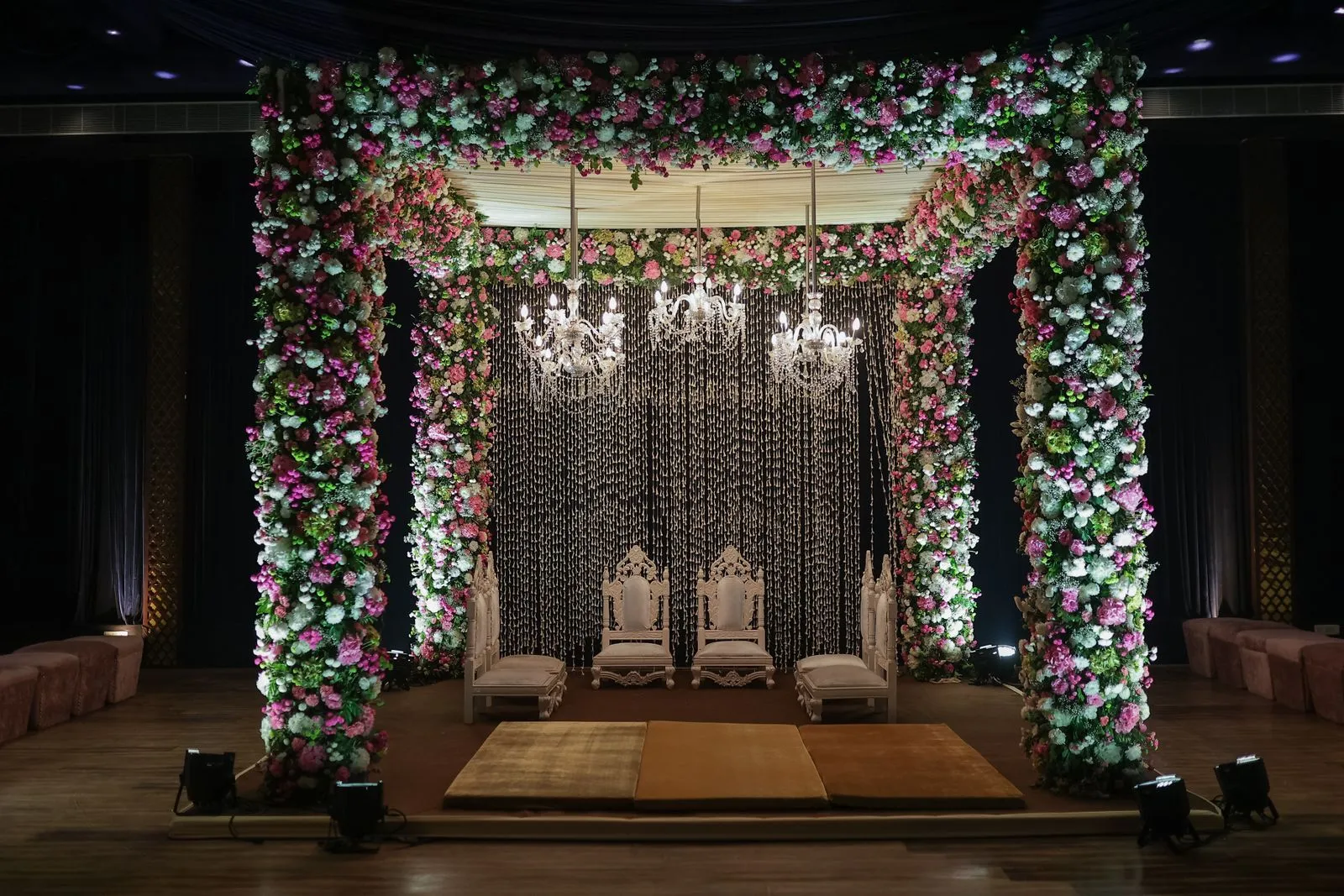
- Decor and tent house: the stage, mandap, flowers and lights.
- Photography and video, and the album.
- Bridal makeup and mehndi.
- The pandit's dakshina and the samagri.
- Band, DJ, dhol, and the ghodi or car for the baraat.
- Outfits and jewellery for the couple and close family.
Costs families forget
- GST, when a quote says "plus taxes".
- Shagun and lena-dena: the cash and gifts the two families exchange at the rituals.
- Travel: the baraat bus, pick-ups for guests, your own trips to shop.
- Tips and staff meals: drivers, the band, the venue staff, the photographer's team.
- Overtime: an extra hour at the venue or on the band's clock.
Why the split matters:
- A guest moves only the per-guest heads. Fifty fewer guests at ₹900 a plate saves ₹45,000 at that one meal, and nothing on the photographer's quote.
- Fixed heads move with choices, not numbers. A smaller stage, or one photographer instead of two, is where they come down.
- Forgotten heads are paid from the buffer. Without one, they come out of something you've already booked.
In short: fix the guest count before anything else. The biggest heads move with it.
How to plan a wedding budget, in six steps
1. Agree who pays for what
Before any number, settle which family pays for which function. Custom differs by region and by family: in many families the bride's side hosts the wedding and the groom's side the reception, and many couples share the cost or pay for their own wedding. What matters is that both sides know it before the bookings start.
Example: write it down as a short list both families keep: the wedding venue and food, the bride's family; the reception, the groom's family; outfits, each their own. Nobody books the band twice.
Which leads to the number that drives most of the bill.
2. Fix the guest count for each function
Count each function on its own: the haldi, the mehndi, the sangeet and the wedding rarely share a list. Count heads for the food, and families for the cards and return gifts.
Example: 300 guests at the wedding, 150 at the sangeet and 80 at the haldi lunch is 530 plates in all, not 900.
3. Price the per-guest heads
Ask each caterer for a rate per plate for each function, for the menu you actually want, then multiply. Our wedding menu planner lets you pick the menu course by course, so every caterer quotes for the same food.
Example: say a caterer quotes ₹900 a plate for the wedding, ₹800 for the sangeet and ₹500 for the haldi lunch. That's 300 × ₹900 = ₹2,70,000, 150 × ₹800 = ₹1,20,000 and 80 × ₹500 = ₹40,000: ₹4,30,000 for the food.
4. Add the fixed quotes
Get each fixed head as a written quote: the hall rent, decor, photographer, makeup, mehndi, pandit and band. Ask what's included, in words. "Photography" can mean one photographer for one day, or two for three days.
Example: say a decorator quotes ₹1,50,000 and leaves out the flowers on the mandap. If those cost ₹40,000 more, the real quote is ₹1,90,000. Ask for it in the first quote, not on the day.
5. Add GST and a buffer
Ask every vendor, in writing, whether the quote includes GST. Catering for a function is taxed at 5%, and so is a hall that rents with its own food. At a hotel that charged more than ₹7,500 a day for a room in the previous year, or chose to be taxed as one, it's 18%. A hall or lawn rented on its own is taxed at 18%, and other services have their own rates.
Example: a food bill of ₹4,30,000 before tax is ₹4,51,500 with 5% GST. A hall rent of ₹1,00,000 is ₹1,18,000 with 18%.
Then keep a buffer of about 10% of the total for the heads you'll forget and the guests who come anyway.
6. Pay in stages, against receipts
Most vendors take an advance to block your date and the balance on or after the day. Keep one list of every payment, with the date and a receipt, where both families can see it.
Pay the big amounts by UPI, bank transfer or cheque. Under section 186 of the Income-tax Act, 2025, nobody may take ₹2,00,000 or more in cash from one person in a day, for one transaction, or for one event, and section 451 lets the tax officer fine the vendor the whole amount. Splitting a payment across days doesn't get around it, because the limit counts everything you pay for one event.
A worked example: a 300-guest wedding
Here's how the sums come together for one made-up wedding: 300 guests at the wedding, 150 at the sangeet and 80 at the haldi. The rates are there to show the arithmetic. They aren't prices from any vendor, and yours will differ by city, season and menu.
| Head | Amount |
|---|---|
| Wedding dinner: 300 guests × ₹900 a plate | ₹2,70,000 |
| Sangeet dinner: 150 guests × ₹800 a plate | ₹1,20,000 |
| Haldi lunch: 80 guests × ₹500 a plate | ₹40,000 |
| Cards: 150 families × ₹60 | ₹9,000 |
| Return gifts: 150 families × ₹300 | ₹45,000 |
| Rooms for guests: 10 rooms × 2 nights × ₹3,000 | ₹60,000 |
| Hall rent: one day | ₹1,00,000 |
| Decor and tent house: stage, mandap, lights | ₹1,50,000 |
| Photography and video: two days, with the album | ₹1,20,000 |
| Bridal makeup: wedding day | ₹40,000 |
| Mehndi: bride and family | ₹15,000 |
| Pandit and samagri: dakshina and puja items | ₹21,000 |
| Band, DJ and ghodi: baraat and sangeet | ₹60,000 |
| Subtotal | ₹10,50,000 |
| GST: 5% on the food, 18% on the hall rent (the other quotes include it) | ₹39,500 |
| Buffer: about 10% | ₹1,09,000 |
| Total | ₹11,98,500 |
About half of this example moves with the guest count: ₹5,44,000 of the ₹10,50,000 before tax. That's why step 2 comes before step 4.
Where wedding budgets go over
- The count creeps. Each side adds "just a few" until the wedding is 50 plates up.
- "Plus taxes" on the quote. The GST arrives on the final bill, not the one you compared.
- The venue's extras: extra hours, the generator, a cleaning charge, a fee for outside decorators or caterers.
- Add-ons on the day: one more live counter, a second dhol, more flowers. Agree on who can say yes to them.
- Lena-dena nobody counted. Shagun, gifts for relatives and the milni add up, and they're paid in cash.
- Shopping left to the last week, when there's no time to compare.
Planning your budget with Brideshala
- Plan the food course by course with the wedding menu planner, then send the same menu to every caterer.
- Shortlist dates on the shubh vivah muhurat page and confirm one with your pandit. A date a little off the busiest days can leave you more halls to choose from.
- Before you pay a venue's advance, go through the checks in our guide to choosing a wedding venue.
- Book everything in order with the wedding planning checklist.
When you're ready to ask vendors for rates, tap Get free quotes at the top of the page (on a phone, it's in the menu), and our team finds up to three who fit. They get back to you directly.
Start with the guest count
Fix the count for each function first, then price the plates. Every other line in the budget is easier once that number holds.
Questions families ask
How much does an Indian wedding cost?
There's no single figure: it depends on the guest count, the city, the season and the menu. Work it out as guests × the rate per plate for each function, plus the fixed quotes, plus GST and a buffer. Our worked example for 300 guests comes to ₹11,98,500, with made-up rates and without outfits or jewellery.
How should we split a wedding budget?
Split it into heads that grow with the guests (food, cards, return gifts, rooms) and heads that stay fixed (hall rent, decor, photography, makeup, the band). Price the per-guest heads first, because they usually make up the biggest share, then add the fixed quotes, GST and about 10% as a buffer.
Who pays for the wedding, the bride's or the groom's family?
There's no rule: it's custom, and it differs by region and by family. In many families the bride's side hosts the wedding and the groom's side the reception, and many couples share the cost. What the law does fix is dowry. Under the Dowry Prohibition Act, 1961, giving or taking dowry is punishable with at least five years in prison. Presents given at the wedding without any demand aren't dowry, as long as they're entered in a list signed by the bride and groom, as the Dowry Prohibition (Maintenance of Lists of Presents to the Bride and Bridegroom) Rules, 1985 require.
Is there GST on wedding expenses?
Yes, on most of it. Catering for a function is taxed at 5%, and so is a hall that rents with its own food, except at hotels that charged more than ₹7,500 a day for a room, where it's 18%. A hall rented on its own is taxed at 18%. Ask whether each quote includes GST before you compare them.
Can we pay wedding vendors in cash?
Small amounts, yes. But under section 186 of the Income-tax Act, 2025, a vendor can't take ₹2,00,000 or more in cash from one person for one event, even across several days. Pay the advance and the balance by UPI, bank transfer or cheque, and keep the receipts.
Is shagun or a wedding gift taxed?
Not for the couple. Under section 92(3)(b) of the Income-tax Act, 2025, money or gifts a person receives on the occasion of their own marriage aren't taxed as income, whoever gives them.
How much buffer should a wedding budget have?
About 10% of the total. It covers the heads families forget, such as tips, travel and overtime, and the guests who arrive without a reply.
Written by Sunny Kumar
Founder of Brideshala, Delhi. Sunny Kumar builds Brideshala, a directory of wedding venues and vendors across India, with every vendor's rate on the page.
All guides by Sunny →How we wrote this
Written from public rules and common wedding practice across India. Sources:
- Notification No. 11/2017-Central Tax (Rate), serial 7 (outdoor catering, and catering with renting of premises, at 2.5% central tax without input tax credit outside specified premises) as substituted by Notification No. 20/2019-Central Tax (Rate), and serial 16 (heading 9972, real estate services)
- Notification No. 05/2025-Central Tax (Rate): the definition of specified premises (hotel accommodation above ₹7,500 per unit per day, or declared)
- Notification No. 15/2025-Central Tax (Rate), the rates in force from 22 September 2025
- Income-tax Act, 2025 (30 of 2025), section 186 (cash receipts of ₹2,00,000 or more) and section 451 (the penalty)
- Income-tax Act, 2025 (30 of 2025), section 92(3)(b) (gifts received on the occasion of marriage)
- Dowry Prohibition Act, 1961, section 3
- Dowry Prohibition (Maintenance of Lists of Presents to the Bride and Bridegroom) Rules, 1985, rule 2
No venue paid to be in this guide. Spotted a mistake? Tell us.
Found it useful? Send it to family.
WhatsAppMore guides
How to Choose a Marriage Hall, Lawn or Hotel for a Wedding
Photos and a per-plate rate don't show the real bill. Compare venues on what you'll actually pay, and get it in writing before the advance.
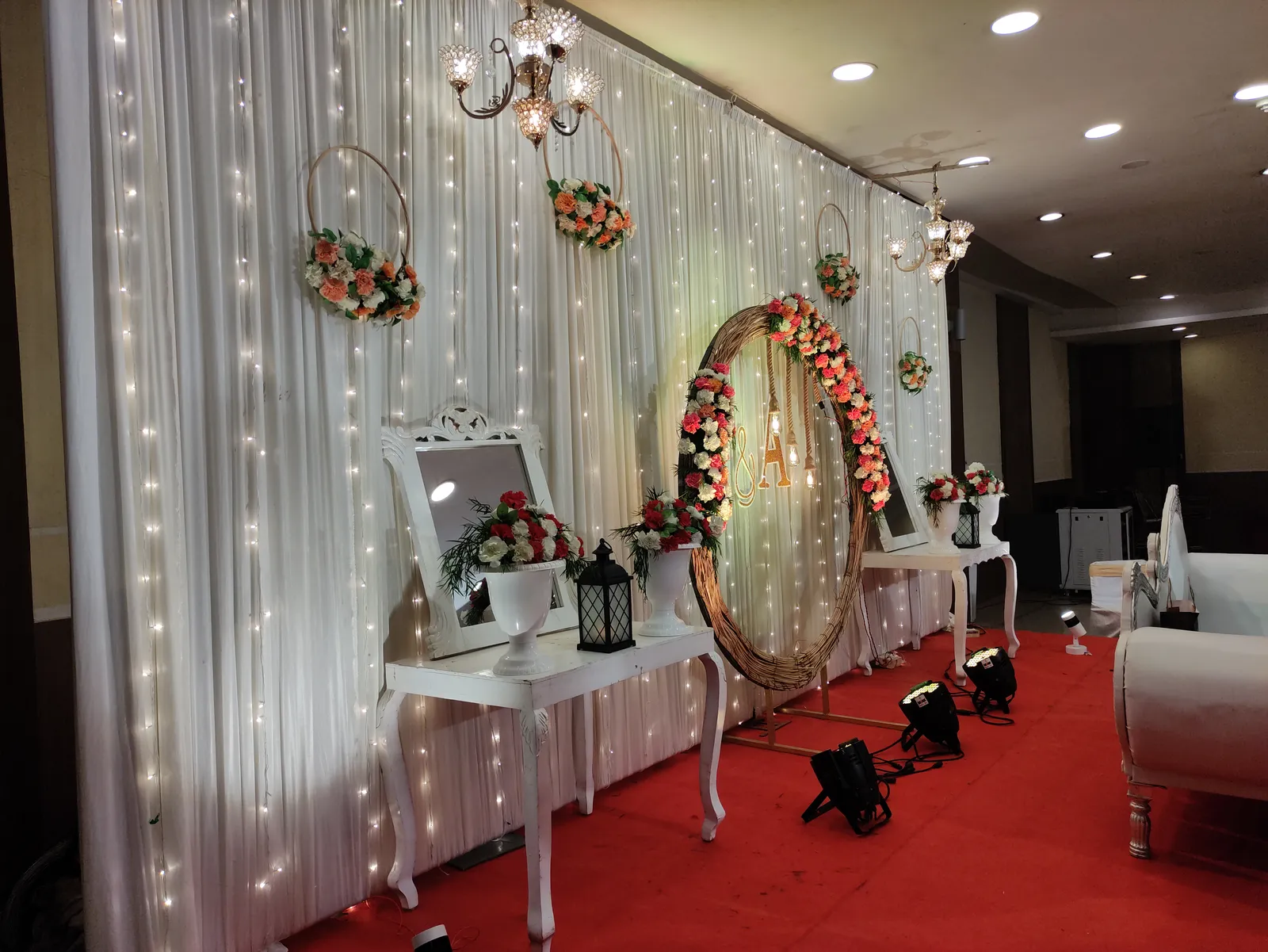
Low-Budget Wedding Stage Decoration Ideas
What a wedding stage costs, what the decorator's quote should include, and 7 low-budget stage decoration ideas, each with a worked sum.
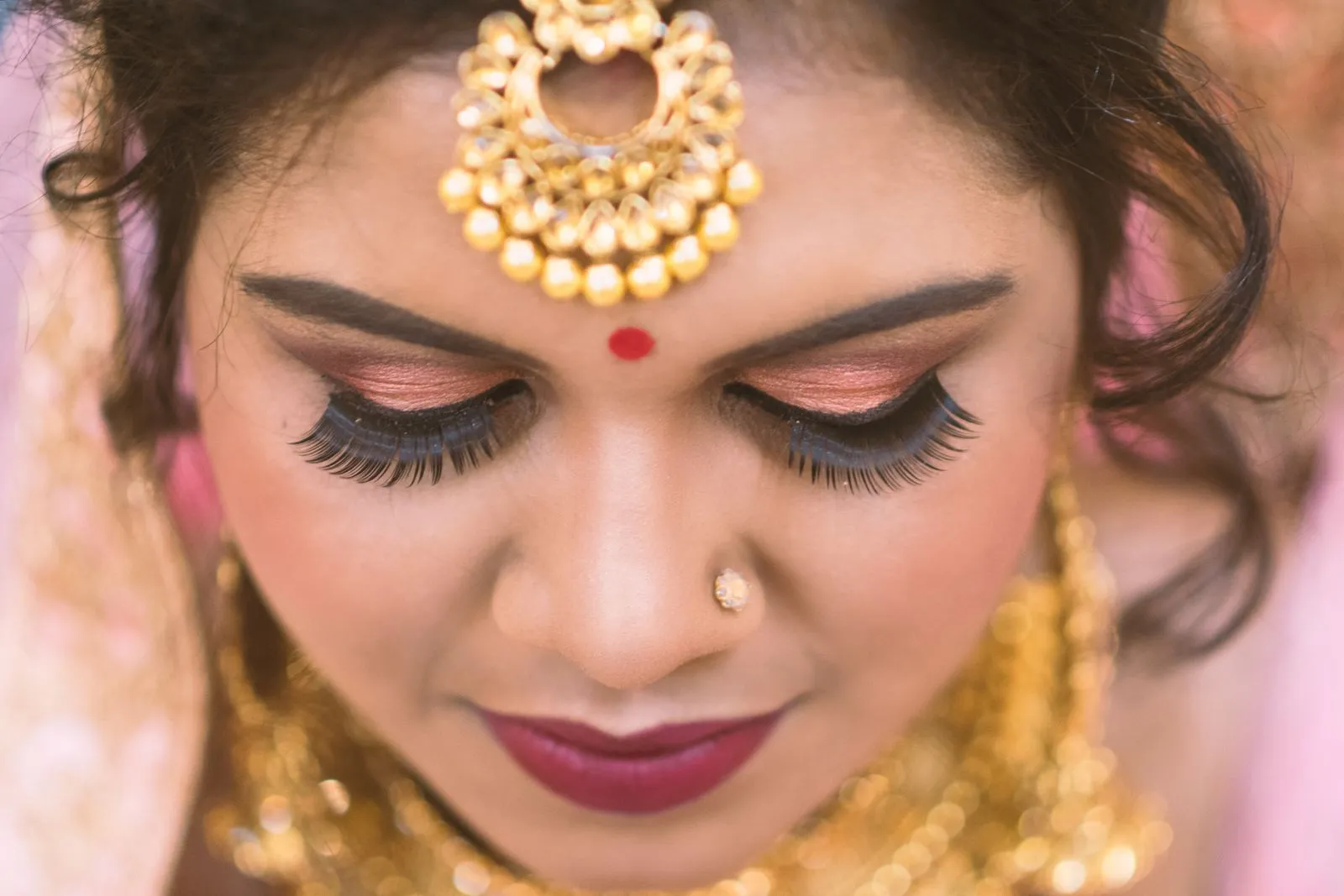
HD vs Airbrush Makeup: Which Suits a Bride?
HD and airbrush aren't rival looks: one is a set of products, the other a way of putting them on. Here's what changes for a bride.