Most families know the big moments of a Hindu wedding: the haldi, the baraat, the pheras, the vidaai. What catches them out is everything around them. The pandit's samagri list arrives two days before. The kanyadaan runs late and pushes the pheras to the edge of the muhurat. The venue says no fire indoors, after the advance is paid.
The fix is to see the wedding as the family lives it: a sequence of rituals, each with its own people, things and time.
In this guide, we'll break down:
- the Hindu wedding rituals in order: before, on and after the wedding day;
- what each one means, who does it and what to arrange;
- the saat phere, and the seven steps of saptapadi;
- how the rituals change across India;
- how to plan the day around the muhurat and the venue's rules.
Families differ, and your pandit and your elders have the final word on your order. This is the common shape, with the regional names where they differ.
On this page
Before the wedding day
Roka, sagai or tilak
The roka marks the two families agreeing to the match: the word means "to stop", the end of the search. The sagai, the engagement, follows. In Rajasthan, the tilak is the engagement and the first of the wedding rituals. Our samagri list groups the tilak and sagai items: the tilak thaal, a coconut, mithai, clothes, the shagun envelope and the ring.
Haldi
The family rubs a paste of turmeric on the bride and the groom, usually at each home, anywhere from a week before to the morning of the wedding, by region. Our haldi ceremony guide has the paste, the steps and the regional names.
Mehndi
Henna on the bride's hands and feet, a day or two before the wedding, with the women of the family around. Arrange the mehndi artist, and a free afternoon or evening for the bride.
Sangeet
An evening of songs and dancing before the wedding. Arrange the hall or lawn, the DJ or a dholak, and dinner, and ask the venue until what time the music can play.
On the wedding day
Sehra bandi and the baraat
At the groom's home, his sister ties the sehra on his head. In Punjabi families this is the sehra bandi, and the ghodi chadhna, the groom mounting the mare, follows. Then the baraat, the groom's procession with his family and friends, sets off for the venue.
Milni and the welcome
Many Hindu weddings begin with the milni, the meeting of the two families, and the swagat, the welcome, when the bride's family receives the baraat at the gate.
Jaimala or varmala
The bride and groom exchange garlands, a sign that they choose and accept each other. Arrange two garlands, and a stage where the guests can see.
Kanyadaan
The bride's father places her hand in the groom's and gives her in marriage; when he can't, the mother or another relative does it. Our kanyadaan guide has the steps. The pandit will name the items; our samagri list has the kanyadaan set.
The havan and the pheras
The pandit lights the sacred fire, the vivah homa, and the couple make offerings to it, among them parched rice in the laja homa. Then they walk around the fire: the pheras. The seven steps are explained below.
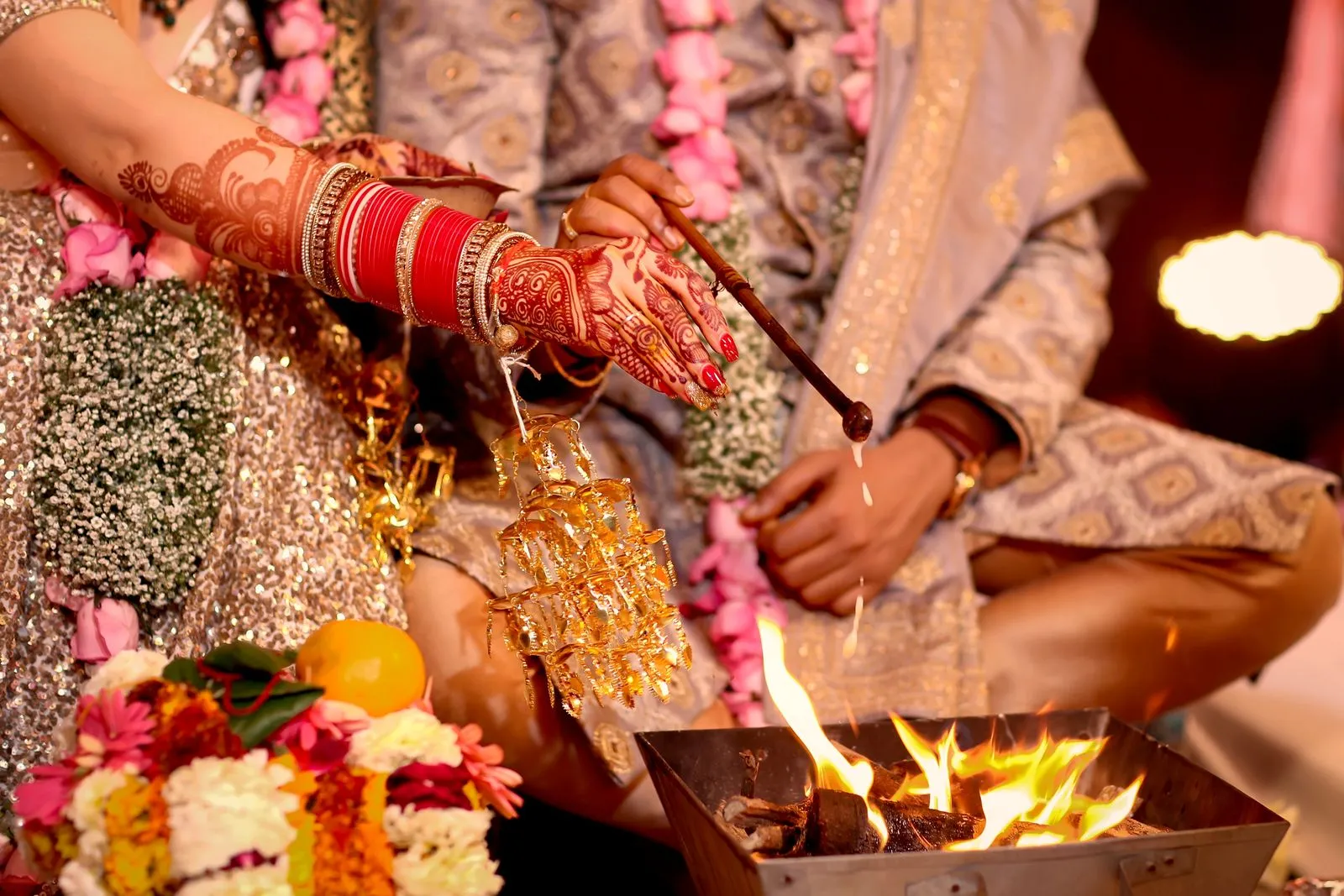
Arrange a venue that allows a havan fire, indoors or in a covered space outside, and ask whether the pheras can run through the night if your muhurat is late.
Sindoor and mangalsutra
The groom puts sindoor in the bride's hair parting and ties the mangalsutra around her neck. In much of North India, sindoor, toe rings (bichiya) and glass bangles mark a married woman.
Ashirwad
The elders of both families bless the couple.
After the wedding
Vidaai
The vidaai marks the bride leaving her parents' house for her new home. Agree on the car and the time with both families before the day.
Griha pravesh
The groom's family welcomes the bride into her new home, and she steps in with her right foot first.
The reception
Many families host a reception after the wedding. In Bengal, the groom's family hosts the bou bhaat to introduce the new bride.
Saat phere and saptapadi: the seven steps
Saptapadi means "seven steps". The couple take seven steps together, each with a prayer, and in tradition the marriage is complete with the seventh: the Manusmriti says so in as many words.
The words of these seven vows, the saat phere vachan, vary by text and region. One common modern reading:
- For plenty of nourishing, pure food.
- For a healthy and prosperous life.
- For wealth.
- For love and respect for each other and both families.
- For good and noble children.
- For a long, peaceful life together.
- For companionship, loyalty and understanding.
One of the oldest forms, in the Sankhayana Grihya Sutra, is shorter: one step for sap, two for juice, three for the prospering of wealth, four for comfort, five for cattle, six for the seasons, and the seventh for friendship.
In many families the seven steps are taken as seven rounds of the fire, the saat phere. Others keep four rounds: the Gujarati mangal phera has four, and some Marwari and Rajasthani families take four, for dharma, artha, kama and moksha. Who leads which round, the bride or the groom, also differs from family to family.
How Hindu wedding rituals differ across India
The core is shared: the fire, the joining of hands, the seven steps or rounds. The names, the order and the details change by community. A few of them:
- Bengali: at saat paak, the bride is carried around the groom in seven circles. Mala badal, the garland exchange, is traditionally the first time they see each other, and at sindoor daan the groom puts sindoor in her parting.
- Gujarati: hast milap, the joining of hands, then the mangal phera, four rounds of the fire, before the saptapadi.
- Marathi: the antarpat and the mangalashtak, when the guests together bless the bride and groom, then seven rounds of the fire.
- Tamil: the kashi yatra, then the oonjal, a swing, before the kanyadaanam, the tying of the thali and the saptapadi.
- Telugu: at the muhurtam, the couple put jeelakarra bellam, cumin and jaggery, on each other's heads, and become husband and wife. The mangalsutra is tied in three knots, and at talambralu they shower each other with rice.
- Malayali: in some communities the ceremony is the thalikettu, the tying of the thali, and lasts just a couple of minutes.
- Odia: hata ganthi, the joining of hands, and the laja homa, which concludes the wedding.
- Maithil, in Bihar: the kohbar, a room painted with Madhubani art, and the chaturthi rites on the fourth day, which complete the marriage.
- Punjabi: the chooda, red bangles from the bride's maternal uncle, with the kaleere, gold or silver ornaments, hung from them.
Our vivah samagri list has the items, ritual by ritual, for North Indian, Marathi, Gujarati, Bengali, Telugu and Tamil weddings.
Planning the rituals
- The muhurat first. The main ceremony is held at the muhurat your pandit fixes, and the rest of the day is planned back from it. Our shubh vivah muhurat page lists the dates.
- The pandit's list, early. Ask for the samagri list a month ahead, not two days before, and check it against our vivah samagri list.
- The venue's rules. Ask whether the venue allows a havan fire, pheras through the night and the baraat up to the gate, and until what time music can play. Our guide to choosing a wedding venue has the questions.
- The hours. Write a timeline with your pandit: when the baraat arrives, when the jaimala is, and when the havan must start for the pheras to fall inside the muhurat.
Example: say the pheras must fall inside a muhurat of 11:30 pm to 1:30 am, and the kanyadaan and havan before them take about an hour. Then the kanyadaan should start by 10:30 pm. Work back from there: the jaimala and the baraat's dinner come before it.
When you're ready to ask vendors for rates, tap Get free quotes at the top of the page (on a phone, it's in the menu), and our team finds up to three who fit. They get back to you directly.
Start with the muhurat and the pandit
Fix the muhurat, sit with your pandit for an hour, and write the order down for both families. Every booking after that, from the venue to the band, follows the same timeline.
Questions families ask
What are the 7 vows of saat phere?
Wordings vary by text and region. One common modern reading asks, step by step, for food, a healthy and prosperous life, wealth, love and respect for both families, good children, a long life together, and companionship. One of the oldest forms, in the Sankhayana Grihya Sutra, ends the seventh step with friendship.
What is the difference between pheras and saptapadi?
Saptapadi means seven steps taken together; pheras are rounds of the sacred fire. In many families the seven steps are taken as seven pheras. In others, such as Gujarati weddings, there are four rounds, the mangal phera, and the saptapadi is a separate step.
Are there 4 or 7 pheras in a Hindu wedding?
Both are followed. Many families take seven, the saat phere. Gujarati weddings have four mangal phera, and some Marwari and Rajasthani families take four, for dharma, artha, kama and moksha. Your pandit and your family's custom decide.
How many rituals are there in a Hindu wedding?
There's no fixed number: it depends on the community and the family. The common core is the haldi and mehndi before, the jaimala, kanyadaan, havan, pheras, sindoor and mangalsutra on the day, and the vidaai after.
How long does a Hindu wedding ceremony take?
It varies widely. In some Kerala communities the ceremony, the thalikettu, lasts a couple of minutes; a ceremony with a kanyadaan, havan and pheras takes much longer. Ask your pandit how long your order takes, and plan back from the muhurat.
What happens at kanyadaan?
The bride's father places her hand in the groom's and gives her in marriage. When he can't, the mother or another relative does it.
Who leads the pheras, the bride or the groom?
It differs from family to family. In some, the bride leads the first rounds and the groom the rest; the split varies by region and custom. Ask your pandit what your tradition keeps.
Written by Sunny Kumar
Founder of Brideshala, Delhi. Sunny Kumar builds Brideshala, a directory of wedding venues and vendors across India, with every vendor's rate on the page.
All guides by Sunny →How we wrote this
Written from public rules and common wedding practice across India. Sources:
- Wikipedia: Hindu wedding (milni and swagat, jaimala, kanyadaan, vivah homa, laja homa, saptapadi, sindoor, griha pravesh, mangal phera, Rajasthani tilak)
- Wikipedia: Punjabi wedding traditions (roka, sangeet, chooda and kaleere, sehra bandi, ghodi chadhna, vidaai)
- Wikipedia: Saptapadi (the seven steps; regional practice)
- Wikipedia: Mangala sutra (tied by the groom; the marks of a married woman in North India)
- Wikipedia: Bengali Hindu wedding (saat paak, mala badal, sindoor daan, bou bhaat)
- Wikipedia: Telugu Hindu wedding (jeelakarra bellam, the mangalsutra's three knots, talambralu)
- Wikipedia: Odia Hindu wedding; Maithil Vivah; Maharashtrians (antarpat and mangalashtak)
- Hindu American Foundation: Hindu wedding primer (the order of the ceremony; mehndi a day or two before)
- Sankhayana Grihya Sutra I.14, tr. Oldenberg, Sacred Books of the East vol. 29 (the seven steps)
- Manusmriti 8.227, tr. Bühler (the marriage complete with the seventh step)
- Yajnavalkya Smriti 1.63, tr. Srisa Chandra Vidyarnava, Sacred Books of the Hindus vol. 21 (1918), p. 129 (who may give a daughter in marriage)
- Outlook Traveller, 3 August 2026, Anand Neelakantan: Tamil wedding rituals
- The News Minute, 5 September 2016: weddings at Guruvayur temple (the thalikettu)
- Zee News, 12 August 2025: four pheras in Marwari weddings
- Aaj Tak, 28 May 2026: four pheras and saptapadi
No venue paid to be in this guide. Spotted a mistake? Tell us.
Found it useful? Send it to family.
WhatsAppMore guides
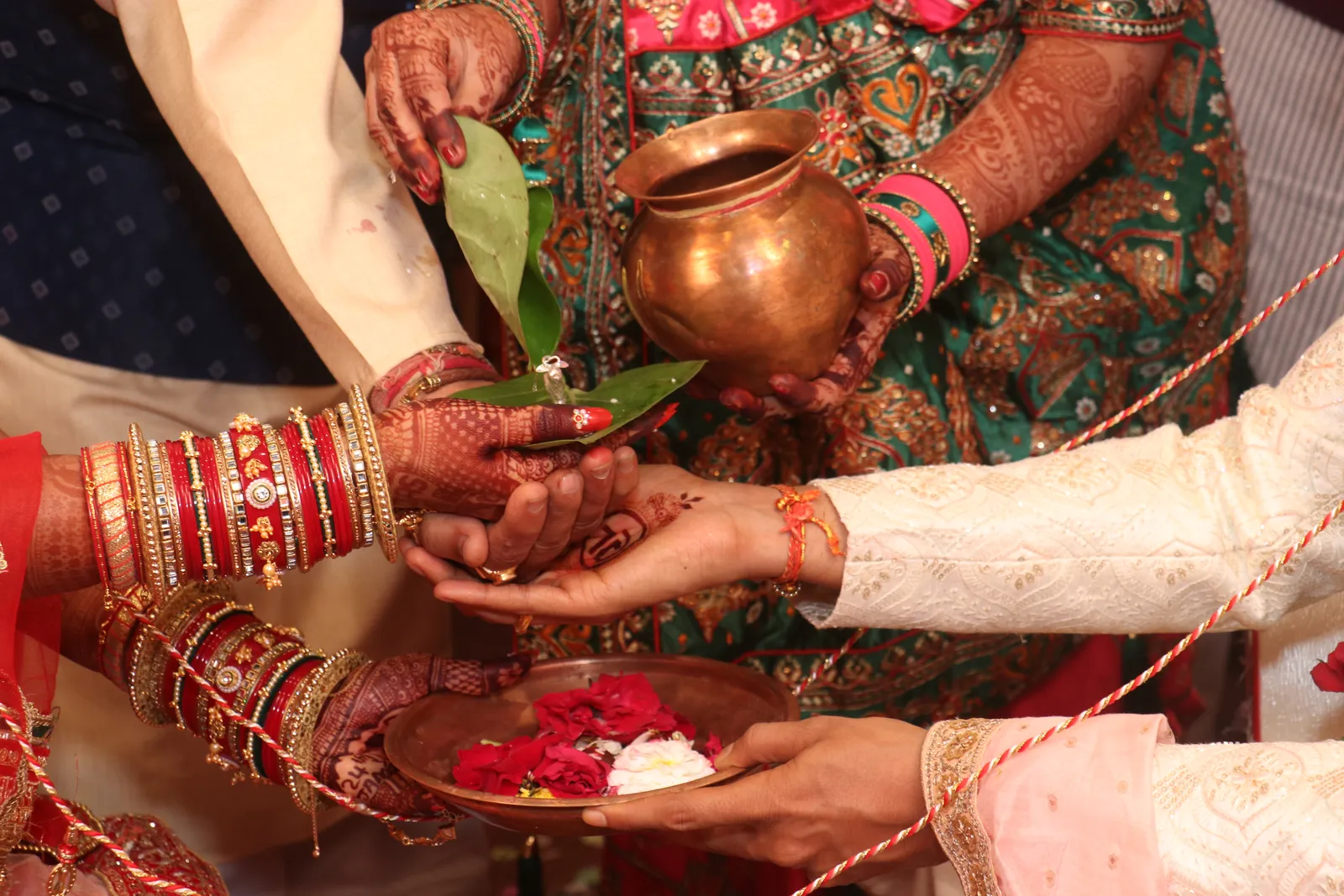
Kanyadaan Meaning and How the Ritual Is Done
Kanyadaan is the giving of a daughter in marriage. Here's what it means, how it's done step by step, who can do it, and how to time it.
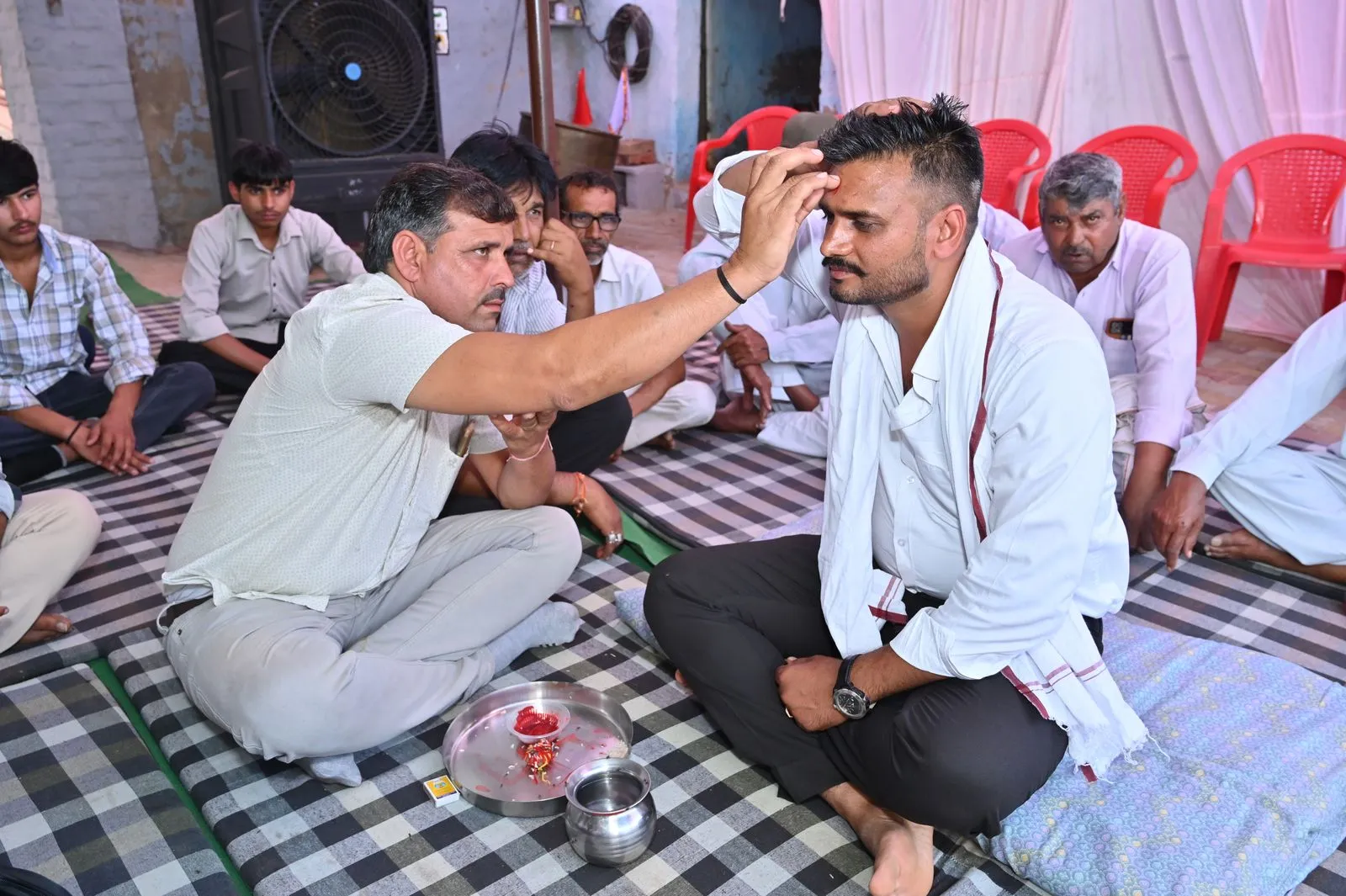
Tilak Ceremony: Meaning, Rituals and Items
The tilak is the visit that seals the match: the bride's family marks the groom's forehead and blesses him. Here's what it means and how it's done.
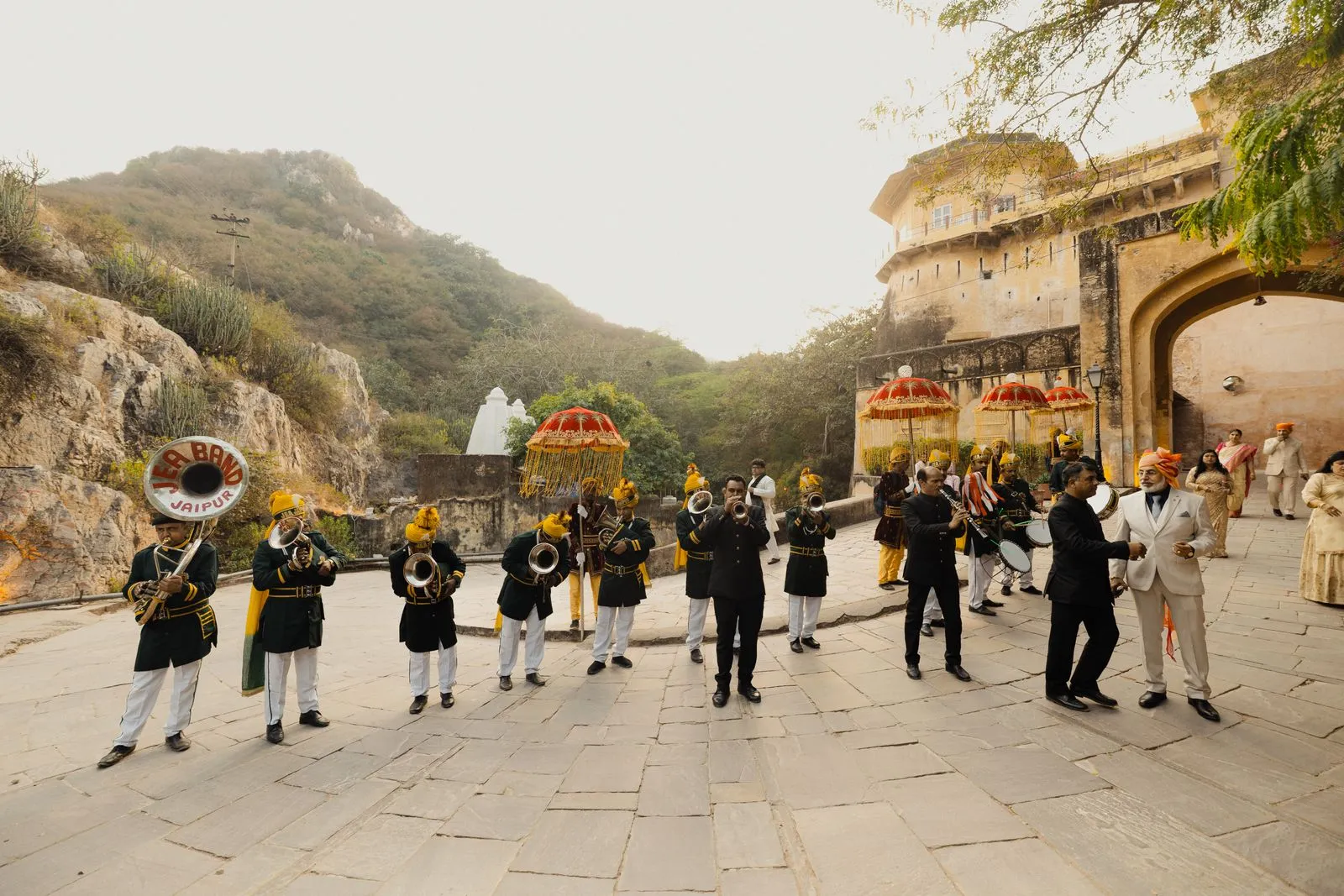
Baraat Meaning and How to Plan the Procession
The baraat is the groom's procession to the wedding. Here's what it means, its parts in order, and how to plan the route, the timing and the 10 pm stop.